
While the world watches the shifting tides of global power, a flashpoint is reigniting in South America. A night of unexplained explosions in Caracas has collided with a new, aggressive American energy doctrine, signaling that the battle for Venezuela’s future is no longer just diplomatic—it is about the "black gold" beneath the soil.
A Capital Shaken: The Caracas Detonations
In the early hours of Tuesday, the silence of Caracas was shattered by a series of detonations that targeted strategic infrastructure. Local reports indicate that the blasts occurred in close proximity to the headquarters of PDVSA (the state-owned oil company) and several military outposts.
While the Maduro government was quick to blame "external sabotage" and "terrorist cells," independent verification remains difficult due to a localized communications blackout. For the people of Caracas, the smoke rising over the city is a grim reminder of the nation’s fragile security. These events mark a significant escalation in domestic unrest, occurring just as international pressure reaches a boiling point.
The Trump Doctrine: Reclaiming "Stolen" Assets
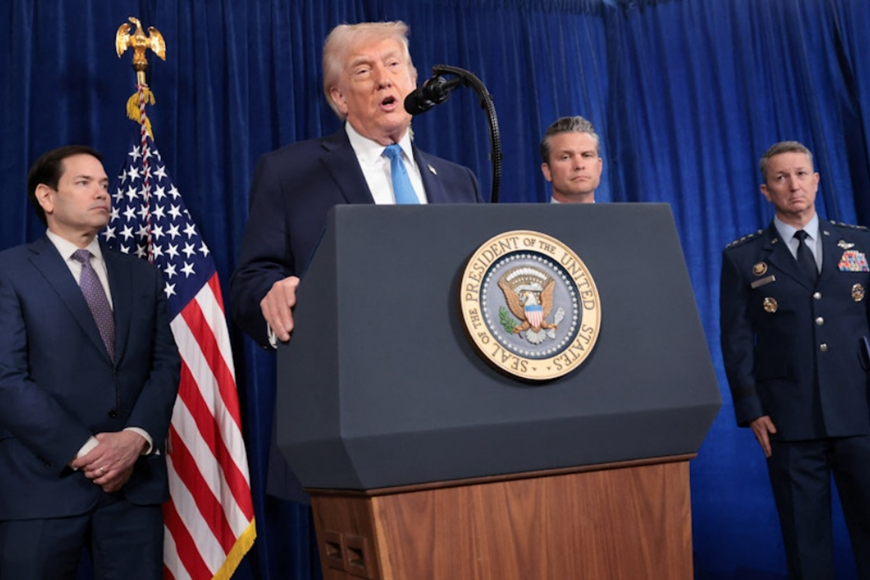
Far from the smoke of Caracas, the rhetoric in Washington has taken a decisive turn. President Donald Trump has made it clear that his administration intends to be "strongly involved" in the Venezuelan oil industry—a move he frames as an act of restitution.
"They took our oil rights... and we want it back," Trump stated, referring to the nationalization of American-owned assets by the Venezuelan government over the last two decades.
This isn't just about sanctions anymore. The White House has signaled a policy of physical and economic reclamation. By suggesting that the U.S. could seize and sell Venezuelan crude to replenish the U.S. Strategic Petroleum Reserve, the administration is treating the nation’s oil not just as a sanctioned commodity, but as collateral for historical debts.
The Naval Blockade: A High-Stakes Gamble
The most tangible sign of this "Strong Involvement" is the presence of U.S. naval assets currently intercepting tankers off the coast of South America. This maritime "quarantine" aims to choke off the Maduro regime’s primary revenue stream.
Why this matters for American readers:
Energy Prices: The disruption of Venezuelan heavy crude could lead to a temporary spike in Gulf Coast refinery costs.
Security: A total collapse of the Venezuelan state could trigger a migration surge far exceeding previous years.
Geopolitics: The U.S. is directly challenging Russian and Chinese influence in the region, turning Venezuela into a primary theater of the "New Cold War."
Economic Strangulation and the Humanitarian Shadow
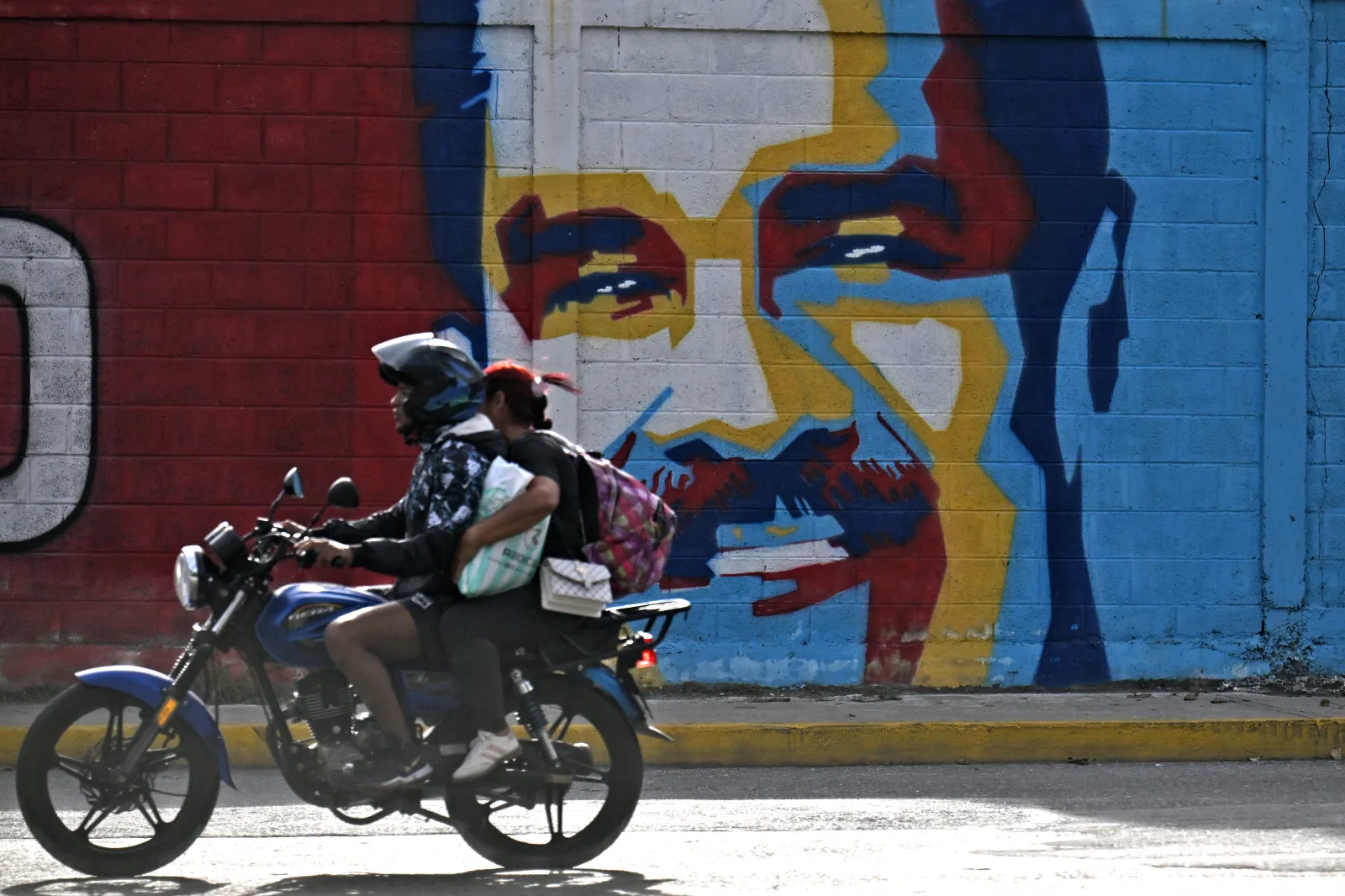
For the average Venezuelan, the combination of internal explosions and external naval blockades has created a pincer movement of economic despair. The Bolivar has hit new lows, and basic utilities like electricity are becoming luxuries.
The strategy of "Maximum Pressure" is designed to force a political transition, but the collateral damage is a population on the brink of another humanitarian exodus. As Washington eyes the oil fields, the streets of Caracas remain a powder keg.
The Road Ahead: Reclamation or Conflict?
The intersection of domestic chaos and a revamped "America First" energy policy suggests that 2026 will be a year of reckoning for Venezuela. Whether the Caracas explosions were a sign of internal rebellion or a precursor to larger operations remains to be seen. One thing is certain: the United States is no longer a silent observer—it is an active participant in the struggle for Venezuela’s resources.
Top Trending Queries: Caracas explosions 2026, Trump Venezuela oil seizure, PDVSA headquarters fire, US Naval blockade Venezuela news, Venezuela crude oil impact on USA.
Disclaimer: This analysis is based on current geopolitical reports and official statements. Follow our blog for real-time updates on the South American energy crisis.