
The Venezuelan capital of Caracas was thrust into chaos early this morning following a series of powerful explosions in key strategic areas. The incident comes at a time of extreme political volatility, drawing urgent concern from the international community and Washington.
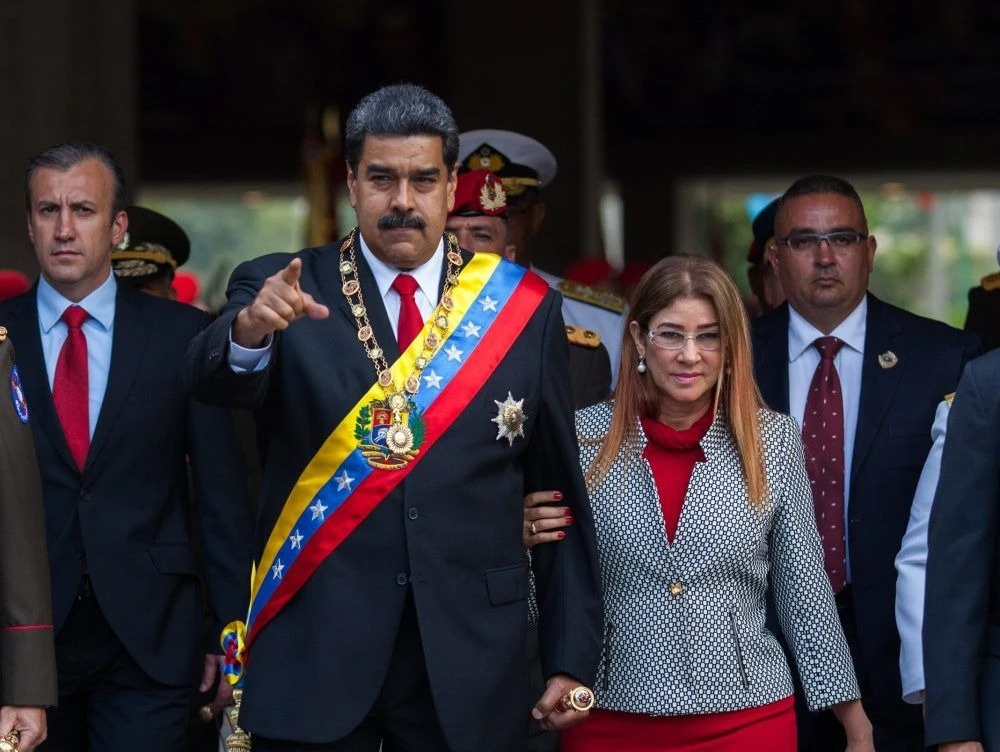
1. Midnight Blasts: Panic Grips the Streets of Caracas
Eyewitness reports and local footage confirm that several large explosions rocked central Caracas during the early hours of the day. Thick plumes of black smoke were seen rising near military installations and government buildings, signaling a significant security breach in the heart of the Maduro administration's stronghold.
Residents reported feeling the ground shake, followed by the deafening sound of emergency sirens. On platforms like X (formerly Twitter) and Telegram, viral videos showed panicked civilians fleeing the areas while heavily armed security forces moved in to cordoned off the streets.
2. The Maduro Administration Responds: Claims of "Terrorist Sabotage"
The government of President Nicolas Maduro was quick to label the incident. Venezuela’s Minister of Information addressed the nation, alleging that the explosions were part of a "coordinated terrorist attack" designed to destabilize the country.
State television reported that defense forces have been placed on the highest level of alert. "We are in full control of the situation and will not allow extremist groups to shatter our national peace," officials stated. However, precise details regarding the perpetrators or the exact number of casualties remain withheld by the state.
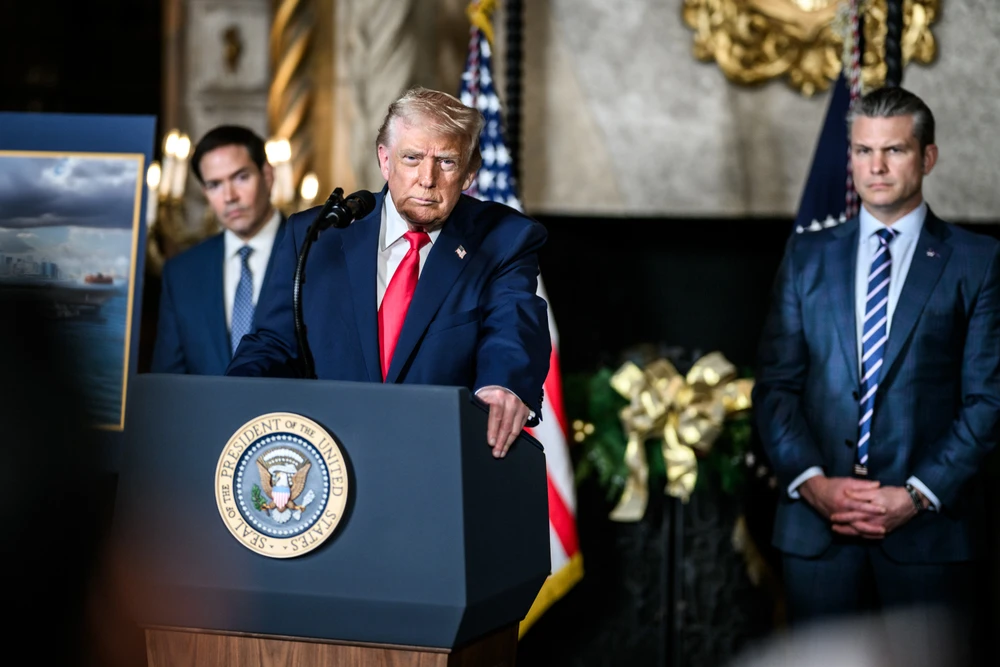
3. Geopolitical Stakes: The Washington-Caracas Tension
These explosions did not occur in a vacuum. Venezuela has been mired in a decade-long political and economic collapse. Following a series of disputed elections, the divide between the Maduro government and the US-backed opposition has reached a breaking point.
The United States has consistently increased sanction pressure on the Maduro regime, citing human rights concerns and undemocratic practices. Meanwhile, Caracas continues to lean on support from global rivals like Russia and China. For American observers, this latest escalation raises fears of a new wave of regional instability that could impact Western Hemisphere security.
4. Economic Fallout and the Migration Crisis
The security instability immediately rattled global markets, particularly affecting crude oil outlooks—Venezuela’s primary export. Domestically, the Bolivar continues its downward spiral, and residents in Caracas are reportedly facing disruptions in power and public transportation.
Political analysts warn that if this unrest continues, it could trigger a massive new wave of migration. With the US southern border already a focal point of American domestic policy, a renewed exodus from Venezuela would have significant political ramifications in Washington.
Analysis and Outlook
As the dust settles in Caracas, the world is watching to see if this was an isolated incident or the spark of a larger uprising. The response from the White House and the international community in the coming days will be critical in determining whether Venezuela heads toward further conflict or a tenuous de-escalation.