

January 15, 2026
A Documentary Framed as a Reckoning, Not a Victory Lap
A new documentary project titled My Life – My Way is being framed online as something more intimate than a concert film and more revealing than a traditional career retrospective. In descriptions circulating with the announcement, the film is positioned as a personal reckoning: Willie Nelson speaking for himself—quietly, directly, and without the gloss that often accompanies legacy storytelling.
The central promise is simple: this is not nostalgia packaged as celebration. It is the man behind the myth—reflective, humble, and deeply human—walking through the choices, sacrifices, and contradictions that shaped both his life and the songs that became part of American culture.
From Texas Honky-Tonks to Global Stages
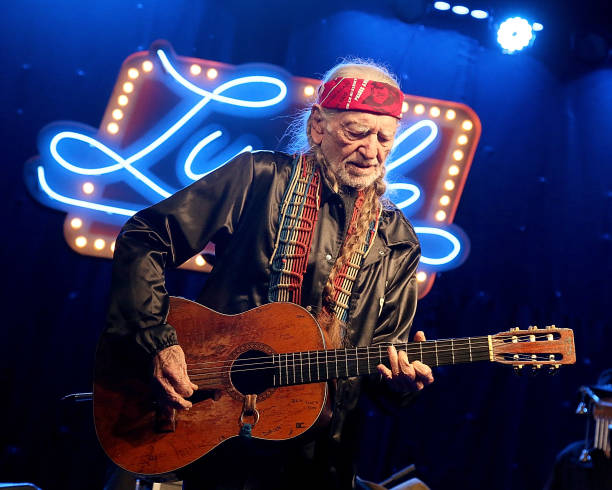
According to the project's synopsis, My Life – My Way traces Nelson's trajectory from early Texas honky-tonks to worldwide stages, mapping the road between struggle and legend. The documentary is described as spanning multiple identities: the songwriter learning to survive, the outlaw-country figure refusing to fit industry molds, and the elder statesman whose voice has remained recognizable even as music and media changed around him.
The emphasis, however, is not on milestones for their own sake. The narrative reportedly uses them as entry points into a deeper question: what does it cost to stay true to yourself when the world keeps trying to define you?
A Focus on Values: Freedom, Faith, Heartbreak, and Hope

Willie Nelson's music has long been associated with themes that feel both personal and broadly American—freedom, faith, longing, resilience, and a stubborn commitment to living honestly. The documentary's framing suggests it will treat those themes not as branding, but as lived experience.
Rather than presenting a list of iconic songs as proof of greatness, the film is described as examining what those songs were built from: ambition, belief, rebellion, and the quiet persistence required to keep creating even when public narratives become louder than private truth.
If the film delivers on that premise, it will likely appeal not only to longtime fans but to viewers interested in how cultural icons stay human under the pressure of being turned into symbols.
"No Gloss. No Myth-Making. Just Honesty."

The most repeated phrase attached to My Life – My Way is its rejection of polish. That messaging reflects a growing appetite for documentaries that feel less like public relations and more like portraiture—stories that allow complexity instead of flattening it into triumph.
For an artist as mythologized as Willie Nelson, that approach is significant. Nelson's public image is so established—braids, Trigger, the road, the outlaw spirit—that any attempt to move beyond iconography requires discipline. It requires showing not only the recognizable Willie, but the unseen one: the private doubts, the hard conversations, the trade-offs that fame doesn't erase.
The documentary is being pitched as precisely that: a look at the human being behind the symbols.
Why This Project Is Resonating Before Many Have Even Seen It
Even at the announcement stage, the project has momentum because it speaks to something larger than celebrity content. It offers the promise of meaning. Fans are not simply drawn to Willie Nelson as a performer; many feel he represents a kind of emotional honesty that has become harder to find in modern public life.
That's why the phrase "Willie's soul, finally unfiltered" is spreading. People are responding to the idea that a lifetime of storytelling is now being turned inward—that the storyteller is finally telling the story of the storyteller.
If viewers believe they will see Willie not as a legend performing a persona, but as a man reclaiming his narrative, they will show up for that.
A Note on Verification and Expectations

As with many viral entertainment announcements, readers should distinguish between promotional framing and confirmed specifics. Titles, release windows, distribution details, and official creative partners can evolve, and early summaries often adopt the most dramatic language to drive interest.
The core idea—an unvarnished, personal Willie Nelson documentary—can still be compelling even as details are clarified. But the strongest version of the story will ultimately be the one supported by concrete information: an official trailer, credited production team, and a verified release plan.
What Would Make It "Willie Nelson as We've Never Seen Him Before"
The bar set by the synopsis is high. To deliver something genuinely new, the documentary would need to do more than revisit famous moments. It would need to linger in the quiet places: the decisions that didn't make headlines, the relationships that shaped the road, the failures and recoveries that the public rarely sees in full.
If it succeeds, My Life – My Way could function as more than a documentary. It could become a late-career statement—less about immortalizing the legend and more about restoring the person.
And that may be the most powerful promise of all: not to make Willie Nelson bigger, but to make him clearer—voice, spirit, and heart, told without permission from the myth.