

A Long-Awaited Story Finally Told
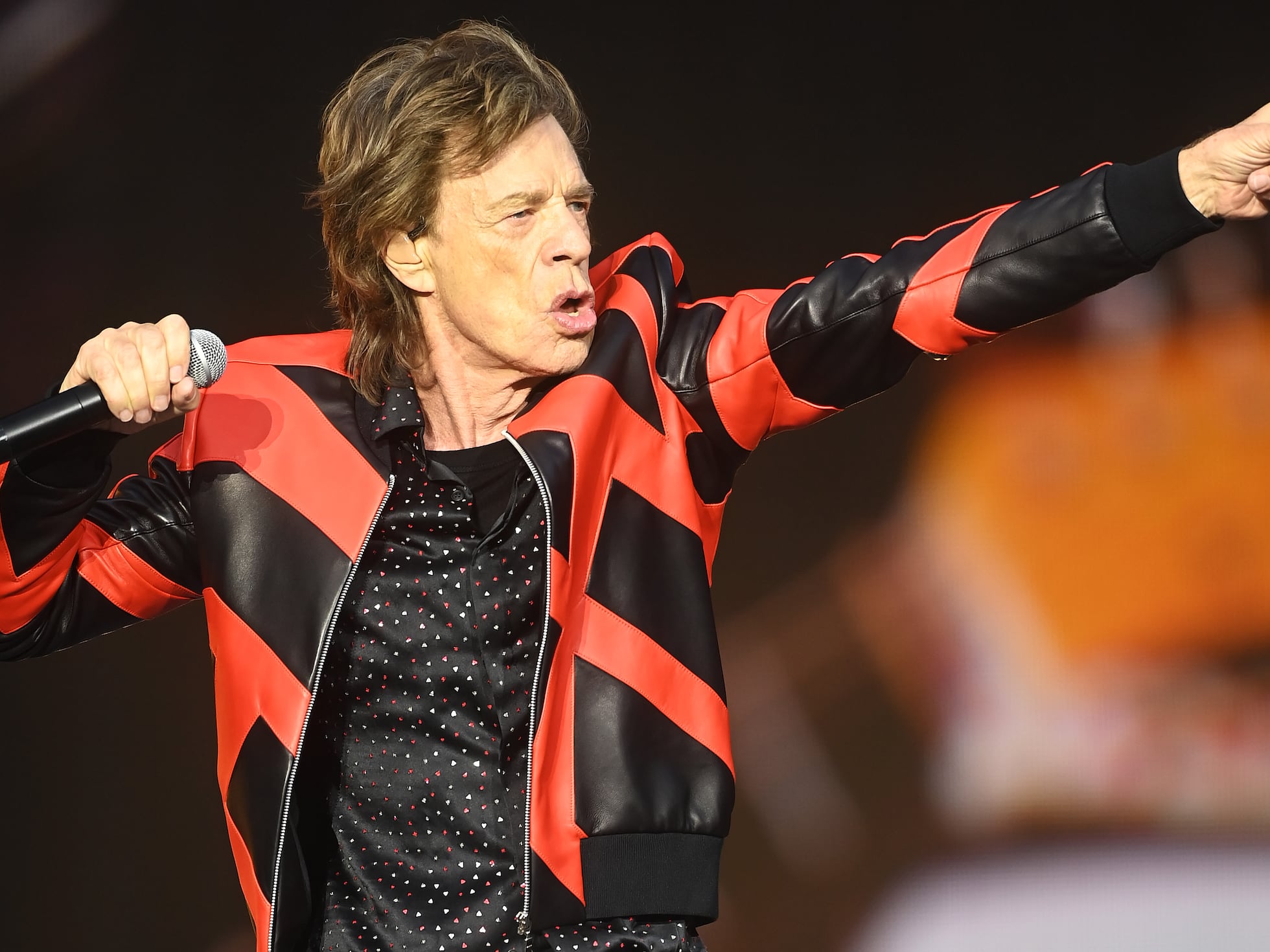
After decades of speculation, one of rock music's most compelling lives is officially headed for the big screen. A feature film chronicling the life of Mick Jagger — frontman of The Rolling Stones and one of the most influential performers of the modern era — is now in development, promising an unfiltered look at the man behind the legend.
For generations of fans, Jagger has existed as a near-mythic figure: all movement, defiance, and magnetic control. The upcoming film aims to move beyond the mythology, tracing the personal and artistic journey that transformed a sharp, ambitious young man from postwar England into a global cultural force.
From Postwar Britain to Cultural Earthquake
Born in Dartford, England, in 1943, Mick Jagger came of age in a country still recovering from war and rigid social structures. The film will explore how that environment shaped his worldview — a mix of discipline, rebellion, intellect, and ambition that would later define his public persona.
Early encounters with American blues, rhythm and blues, and literature played a pivotal role in forming Jagger's artistic identity. According to those involved in the project, the film will depict not just the rise of The Rolling Stones, but the cultural conditions that made such a band — and such a frontman — inevitable.
Beyond the Swagger: The Man Behind the Persona
While Jagger's stage presence became legendary, the film is expected to focus heavily on the private figure behind it. Rather than portraying him as a distant rock deity, the story will frame Jagger as a complex human being: a son navigating expectations, a collaborator shaped by creative tension, and an artist constantly negotiating control in an industry that rarely grants it freely.
Central to the narrative will be Jagger's intellectual curiosity — his fascination with history, politics, art, and performance — and how those interests informed both his songwriting and his public image. The film reportedly examines how carefully constructed freedom became one of his greatest tools.
Creative Tension and Reinvention

Any serious portrayal of Jagger's life inevitably intersects with The Rolling Stones' internal dynamics. The film is expected to explore the band not as a unified myth, but as a long-running creative experiment built on rivalry, loyalty, conflict, and reinvention.
Jagger's role as both provocateur and strategist will be central. While often viewed as pure instinct on stage, his career has also been defined by sharp decision-making, adaptability, and a willingness to evolve when others faded. The film will trace how Jagger navigated shifts in music, fashion, politics, and public morality — often staying ahead of cultural change rather than reacting to it.
Fame, Excess, and Survival
No biography of Mick Jagger would be complete without addressing the cost of life at the center of global fame. The film will not shy away from the excesses that surrounded him, nor the pressures of constant visibility and expectation.
Rather than sensationalizing those moments, the story is said to focus on endurance: how Jagger survived eras that consumed many of his peers, and how discipline eventually became as important as rebellion. The contrast between chaos and control forms one of the film's emotional throughlines.
The Music That Defined Generations

At the heart of the film is the music — not only as soundtrack, but as narrative force. Iconic songs such as "(I Can't Get No) Satisfaction," "Gimme Shelter," "Sympathy for the Devil," "Paint It Black," "Angie," and "Start Me Up" will be contextualized within the moments that shaped them.
Rather than treating these tracks as untouchable classics, the film aims to show them as products of risk, curiosity, and confrontation — with society, with authority, and often with the band itself.
More Than a Rock Biography
Producers describe the project not simply as a music biopic, but as a study of power, identity, and performance. Jagger's ability to turn movement into influence, provocation into art, and controversy into longevity places him in a category far beyond traditional celebrity.
The film will examine how Jagger became a symbol — and how he resisted being trapped by that symbol — choosing instead to continuously redefine what a rock frontman could be.
Why This Story Matters Now
In an era increasingly focused on legacy, authenticity, and cultural impact, Mick Jagger's story feels particularly timely. His career spans more than six decades, cutting across political shifts, social revolutions, and generational divides.
The film's creators argue that Jagger's life offers more than nostalgia. It raises questions about reinvention, creative control, and what it means to remain relevant without surrendering identity.
A Legacy Finally Given Full Dimension
When it reaches theaters, the Mick Jagger biopic will attempt something ambitious: to capture not just the movement, the music, or the image, but the mind and will that sustained them.
This is not merely the story of a band or an era.
It is the story of a man who transformed rebellion into language, performance into power, and rock 'n' roll into a global force.
A legacy of audacity, intelligence, and relentless energy — finally brought to life on film.