

1946–1959: A Smoky Mountain Beginning
Dolly Rebecca Parton was born on January 19, 1946, in Sevierville, Tennessee, in the foothills of the Great Smoky Mountains. Raised in a large, working-class family, she grew up in circumstances she has often described as deeply loving but materially scarce. Music arrived early: gospel harmonies in church, radio melodies at home, and a natural instinct for performance that stood out even in childhood. By her early teens, she was already writing songs and appearing on local radio and television, planting the first public markers of a voice that would later feel inseparable from American culture.

1960–1969: Nashville, Ambition, and the First Breakthrough
Parton moved to Nashville just after finishing high school in 1964, stepping into a music city dominated by songwriting rooms, label gatekeepers, and the hard arithmetic of survival. She worked as a songwriter and recorded early singles before her career accelerated through television exposure and high-profile partnerships. The decade's turning point came when she joined Porter Wagoner's popular syndicated TV program, a pairing that introduced her to a national audience. By the late 1960s, Parton had begun carving out her own identity—bright, witty, and emotionally precise—beyond the role of a featured singer.

1970–1979: Country Stardom and Signature Songs
The 1970s made Dolly Parton a household name. As she transitioned from co-star to standalone star, she released a run of defining songs that showcased her as both storyteller and strategist—an artist who could write with plainspoken clarity while making every line sing. This era produced some of her most enduring work, including "Jolene" and "I Will Always Love You," songs that proved she could deliver drama without melodrama and heartbreak without self-pity. She also expanded her reach through variety TV and crossover-friendly recordings, becoming one of the rare performers equally fluent in honky-tonk grit and mainstream polish.
1980–1989: Pop Crossover, Hollywood, and Dollywood
In the 1980s, Parton's career widened into a multi-platform phenomenon. She starred in films, including 9 to 5, and used the big screen to amplify what her music already communicated: comedic timing, sharp intelligence, and a working person's empathy. The title song became a cultural shorthand for office frustration and resilience, introducing her to audiences who might not have followed country radio. The decade also marked a major business milestone with the growth of Dollywood in Pigeon Forge, Tennessee—an entertainment destination that doubled as an economic engine for the region she never stopped claiming as home. By the end of the 1980s, Parton had become something larger than a singer: a brand built on warmth, discipline, and relentless creativity.

1990–1999: Reinvention, Respect, and a Philanthropic Turn
The 1990s showed Parton's ability to pivot without losing the core of who she was. While country music shifted and new voices dominated the charts, she maintained visibility through selective projects and a steady touring presence. More significantly, she deepened her role as a public citizen. In 1995, she launched the Imagination Library, a book-gifting program designed to foster early childhood literacy—an initiative that would grow into one of her most widely praised legacies. By the late 1990s, Parton's reputation had evolved into something rare: she was both a celebrated entertainer and a trusted figure whose generosity felt consistent rather than performative.
2000–2009: Roots Music and a New Chapter of Artistry
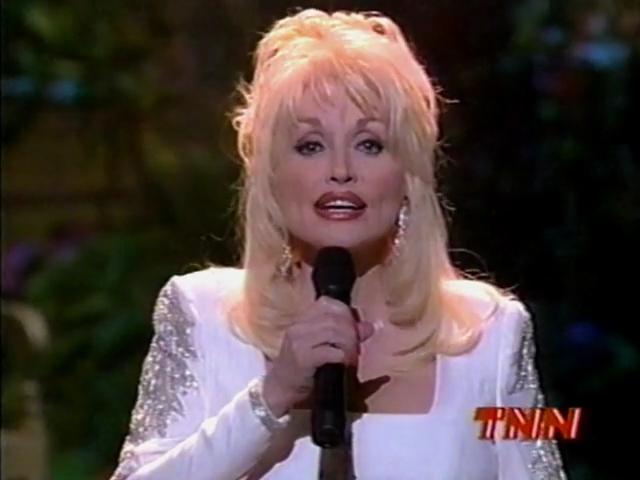
In the 2000s, Parton leaned into bluegrass and acoustic traditions, earning renewed critical attention for projects that highlighted her songwriting craft and vocal nuance. The decade underscored a key truth about her career: she never needed to chase trends, because she could outlast them by returning to fundamentals—melody, narrative, and emotional truth. She also continued to tour and record at a pace that would be demanding for artists half her age, reinforcing her reputation as one of the most industrious figures in American entertainment.

2010–2019: Cultural Icon, Collaborator, and Global Presence
By the 2010s, Dolly Parton had become a symbol that transcended genre. She collaborated across generations, appeared in major television specials, and maintained a steady presence in popular culture—quoted, memed, admired, and continually rediscovered. Importantly, her influence expanded beyond music industry metrics into something more durable: cultural trust. In an era of constant reinvention, Parton's appeal came from consistency—humor without cruelty, confidence without arrogance, and a public image grounded in gratitude for where she came from.

2020–2026: Legacy in Real Time
The 2020s have framed Parton's legacy as something still unfolding rather than sealed in a museum. She remained active with new releases and public projects, demonstrating that longevity is not just about survival but about creative momentum. Her recent work has continued to reach beyond the traditional boundaries of country music, reinforcing her long-standing belief that a great song can belong to anyone willing to sing it honestly. Approaching her 80th birthday in January 2026, Dolly Parton stands as a rare figure whose career is both a historical achievement and a living, evolving story—one built on craft, entrepreneurship, and an enduring commitment to giving back.
In eight decades, Parton has done what few artists manage: she has stayed recognizable while never standing still—turning a life that began in rural Tennessee into a global imprint measured not only in hits, but in impact.