

A familiar viral script, with a new name attached

Over the past hours, social media has been flooded with a bold, all-caps post beginning with "BOOM!" and claiming that Mick Jagger delivered explosive political remarks in a TIME Magazine interview, sharply criticizing Donald Trump with phrases like "self-serving showman" and warning Americans to "wake up before it's too late." The tone is urgent, dramatic, and designed to provoke instant reaction.
Supporters have shared it enthusiastically, critics have pushed back just as loudly, and many neutral readers are left asking a simple question: Where is the source?
What stands out is that this content closely follows a well-known viral template. The structure is familiar: a dramatic opening, a prestigious media outlet cited for credibility, a set of sharp quotes, and a conclusion declaring that "Washington is shaking." Similar versions of this post have circulated before, often with different celebrities' names swapped in while the quotes remain largely unchanged.
The key claim: a TIME Magazine interview — without clear confirmation
If Mick Jagger had truly given a bombshell interview to TIME Magazine, there would normally be clear evidence: an official article page, social media promotion from TIME, or at least an archived listing on the outlet's website. As of now, no such confirmation appears in TIME's publicly available content related to Jagger.
TIME has covered Mick Jagger in the past, but those pieces are largely historical or cultural, not a newly published, politically explosive interview matching the viral quotes. This absence doesn't automatically disprove the sentiment attributed to Jagger — but it does mean the specific claim of a new TIME interview remains unverified.
For anyone presenting this story in a journalistic format, that distinction matters.
Mick Jagger and politics: context matters

It is important to note that Mick Jagger is not apolitical. Over the years, he has made pointed remarks about politics, often through satire or onstage commentary. He has criticized political figures in live performances and expressed concern over issues such as environmental policy and the use of Rolling Stones songs in political campaigns.
Because Jagger has spoken out before, readers may find the viral quotes believable. That believability is precisely why such posts spread so quickly — they align with what people already expect. However, plausibility is not the same as verification.
Why this kind of post spreads so fast
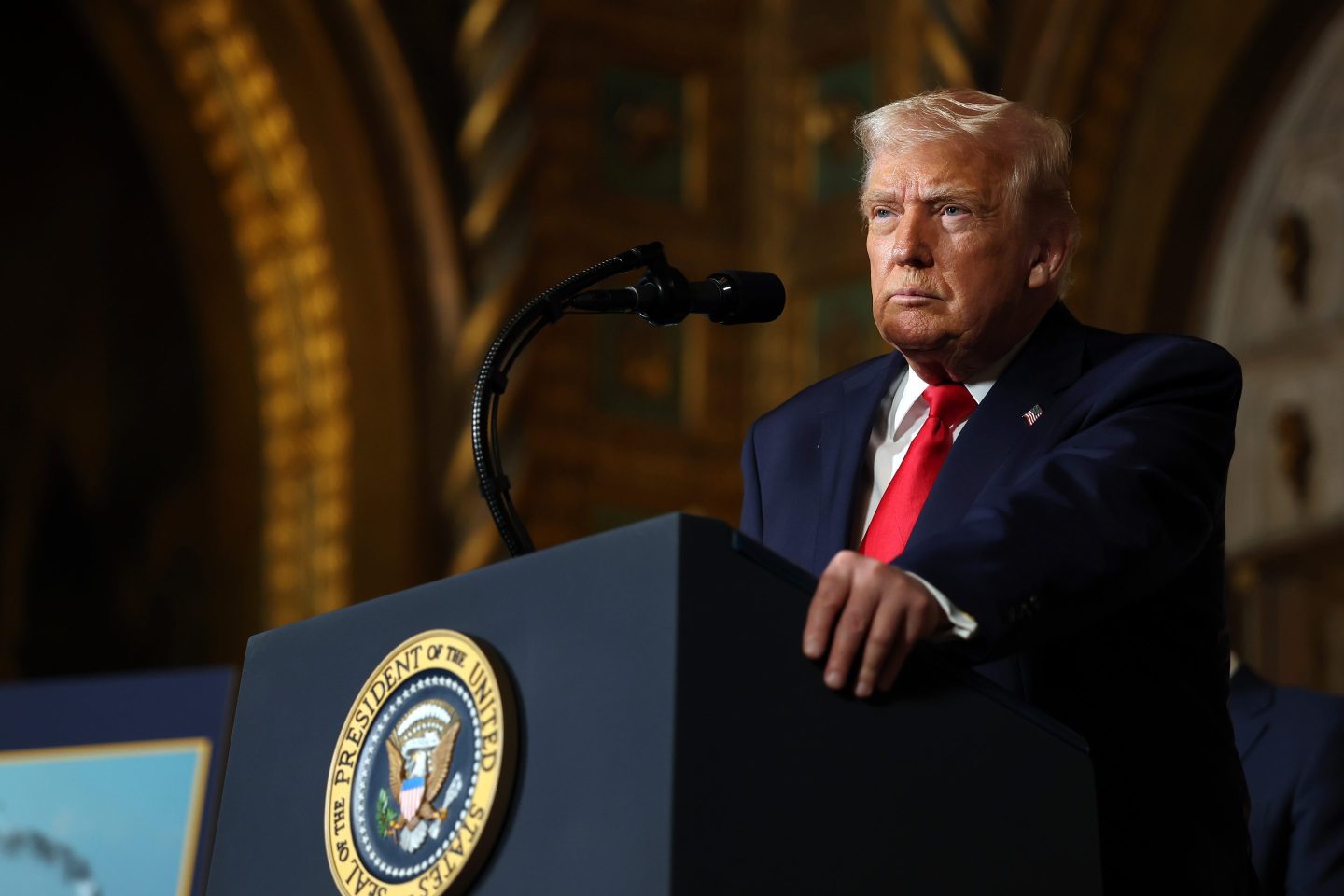
There are three main reasons posts like this gain traction:
-
Borrowed credibility – Attaching a respected brand like TIME Magazine creates instant trust, even without links or citations.
-
Highly shareable quotes – The language is short, sharp, and perfectly formatted for screenshots and reposts.
-
Maximum drama framing – Phrases like "the internet exploded" or "Washington is in chaos" create the illusion of a historic moment unfolding in real time.
Together, these elements encourage emotional sharing rather than careful reading.
How to write this as a "proper news article" without backlash

If the goal is to write an 800-word, newspaper-style article based on this content, the safest and most accurate approach is not to present it as a confirmed interview. Instead, it should be framed as a viral claim circulating online.
A strong structure would include:
-
An opening describing the viral post and the reactions it sparked
-
Context about Mick Jagger's history of political commentary
-
A clear section noting that the alleged TIME interview has not been independently verified
-
A conclusion encouraging readers to distinguish between viral narratives and confirmed reporting
This approach preserves the drama while maintaining credibility.
Conclusion: A powerful story — if labeled correctly
The viral post attributed to Mick Jagger works because it taps into real political tension and a real public figure known for speaking his mind. But without verifiable evidence of a new TIME Magazine interview, it should be treated as unconfirmed viral content, not established fact.
Used responsibly, the story can still be compelling — as an example of how quickly political narratives spread online, how celebrity voices are amplified, and how easily authority can be implied without proof.
The key is simple:
You can tell the story — just be honest about what it is, and what it is not.