
Washington, D.C. — For 43 days, the machinery of the United States government ground to a halt. Federal agencies shuttered. Workers missed paychecks. Airports strained under staff shortages.
Food inspections slowed. Research labs went dark. Behind closed doors and on public stages, one figure dominated the standoff, bending institutions to his will while daring rivals to break first.

Donald J. Trump did not merely preside over the shutdown. He orchestrated it.
And watching closely from the front row of the political theater was Representative Marjorie Taylor Greene, whose silence, loyalty, and calculated restraint revealed as much about the moment as Trump's unyielding posture.
This was not just a budget fight. It was a power play—one that exposed the anatomy of modern American brinkmanship and the quiet complicity that allows it to thrive.
The Shutdown Begins
The shutdown began with familiar rhetoric: warnings about fiscal responsibility, demands for leverage, and ultimatums framed as patriotism. But from the outset, seasoned observers sensed something different.
Trump framed the standoff not as a negotiation, but as a test of dominance. He spoke of strength, endurance, and winners versus losers. He rejected compromise as weakness and framed delay as victory.
Within days, federal operations stalled. National parks closed. Court backlogs grew. Small businesses dependent on government contracts faltered. Millions of Americans felt the impact in ways both visible and unseen.
Trump, however, appeared energized.
"This is how you get results," he declared during a televised appearance, framing disruption as proof of resolve.
Greene's Strategic Stillness
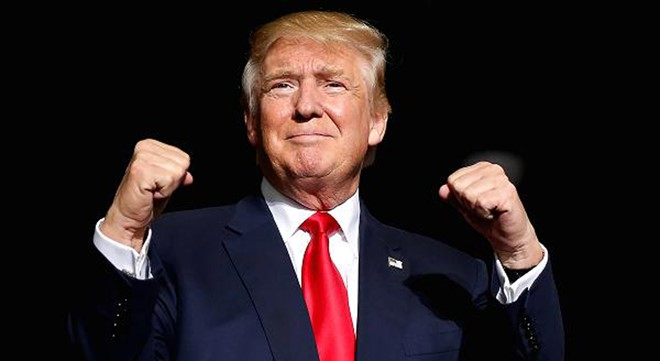
Marjorie Taylor Greene, one of Trump's most vocal allies in Congress, adopted a different posture. While other lawmakers flooded cable news studios and social media feeds, Greene largely held back.
Her absence from the loudest debates was deliberate.
According to congressional staffers, Greene spent the early weeks of the shutdown in closed-door meetings, listening rather than speaking. She attended strategy sessions, monitored donor sentiment, and tracked the shifting mood among Republican voters.
"She understood this wasn't about messaging," said one House aide. "It was about loyalty and timing."
Greene did not criticize Trump. She did not urge compromise. She did not publicly question the cost of the shutdown. Her silence functioned as endorsement without exposure.
America as Leverage
As the shutdown stretched into its second week, the consequences deepened. Federal employees lined up at food banks. Air travel delays increased. State governments scrambled to fill gaps left by frozen federal funds.
Trump acknowledged the pain—and dismissed it as necessary.
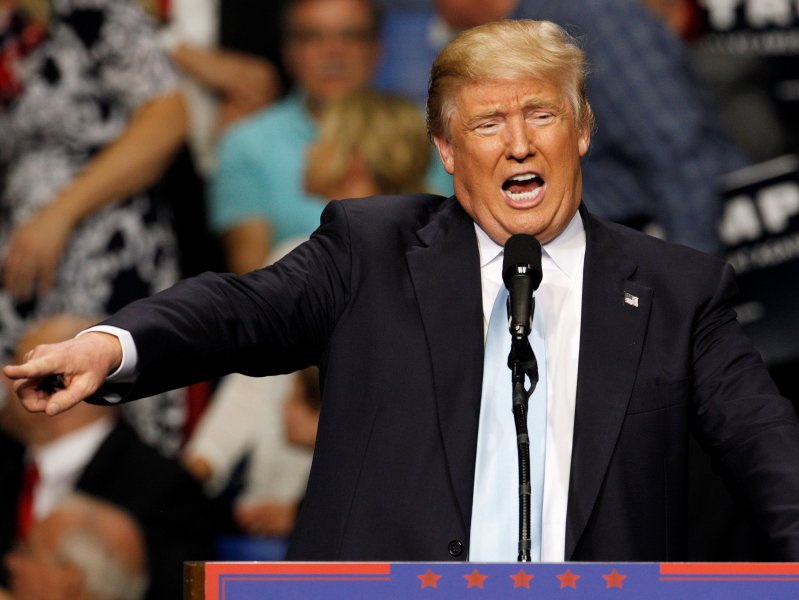
He framed the suffering as pressure on lawmakers to bend. Each day without resolution increased the stakes, and Trump treated the mounting damage as a bargaining chip.
"This is what leadership looks like," he said at a rally, drawing cheers from supporters who viewed endurance as proof of conviction.
Critics called it hostage-taking.
Supporters called it strategy.
Greene's Calculus
Greene watched closely as public opinion shifted. Polling showed frustration rising, but partisan lines held. Republican voters remained divided, with a significant portion applauding Trump's refusal to yield.
Greene understood her role.
Rather than inserting herself into negotiations she could not control, she positioned herself as an observer and amplifier. When she did speak, her words reinforced Trump's framing without escalating conflict.
She praised "resolve." She criticized "weakness." She avoided specifics.
"It was disciplined," said a Republican consultant familiar with Greene's approach. "She let Trump carry the weight while staying aligned."
The Pressure Campaign Intensifies
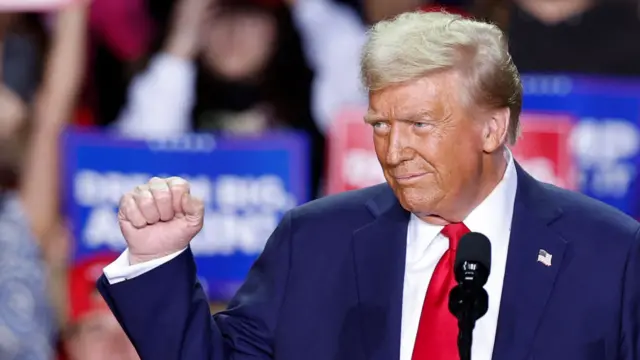
By day 20, the shutdown had become the longest in modern history. Federal contractors began laying off workers. Economists warned of ripple effects across the economy.
Trump escalated.
He issued daily statements, alternating between optimism and threats. He hinted at extraordinary measures. He accused opponents of sabotaging the nation.
Each message kept the spotlight fixed on him.
Meanwhile, Greene appeared on select conservative platforms, where she framed the shutdown as a necessary confrontation with entrenched power. She spoke of sacrifice and long-term gain, echoing Trump's themes without overshadowing him.
"She knew not to compete for attention," said a media strategist. "That restraint earned trust."
Inside the Republican Divide
Not all Republicans were willing participants. Moderate lawmakers expressed alarm. Senators warned of electoral backlash. Governors complained about the strain on state budgets.
Yet the party remained paralyzed.
Trump's grip on the base limited dissent. Lawmakers feared primary challenges more than public criticism. Donors hesitated to intervene, uncertain which side would emerge dominant.
Greene observed this paralysis and drew her conclusions.
"This is what power looks like now," she reportedly told associates. "You hold the line, or you get crushed."
The Human Cost Mounts
As the shutdown entered its fourth week, the human toll became impossible to ignore. Stories of hardship dominated local news. Families struggled to pay rent. Scientific research paused mid-experiment. Courts delayed justice.
Trump acknowledged the stories—and reframed them.
He argued that short-term pain would produce long-term strength. He dismissed calls for reopening the government without concessions as surrender.
Greene echoed this language, speaking of endurance and resolve. She did not address individual hardships. Her focus remained on the abstract battle for control.
"She avoided empathy," said a former colleague. "Empathy weakens leverage."
Day 30: No Exit in Sight
By day 30, fatigue spread across Washington. Negotiators met repeatedly without progress. Each side waited for the other to blink.
Trump showed no signs of retreat.
He held rallies. He dominated headlines. He framed the shutdown as proof of his willingness to fight for what he wanted.
Greene, meanwhile, began subtly shifting her posture. She increased her public appearances, praising Trump's "strength under pressure" and criticizing Republicans who floated compromise.
The message was clear: loyalty would be rewarded. Doubt would not.
The Breaking Point
As the shutdown reached day 40, cracks finally appeared. Business groups intensified pressure. Public opinion turned sharply negative. International observers questioned American stability.
Trump faced a choice: escalate further or claim victory and retreat.
Behind the scenes, advisers urged a tactical exit. The cost was mounting. The narrative was slipping.
Greene reportedly advised caution, emphasizing the importance of framing any resolution as a win.
"She understood that perception mattered more than substance," said a source familiar with internal discussions.
Day 43: The Endgame
On day 43, an agreement was announced. The government reopened. Agencies resumed operations. Workers returned to their jobs.
Trump declared victory.
He framed the outcome as proof of his negotiating prowess, emphasizing what he had extracted rather than what he conceded. Supporters echoed the claim.
Greene reinforced the narrative, praising Trump for "standing firm" and "refusing to cave." She avoided discussing the concessions that made reopening possible.
For her, the shutdown was not a failure. It was a demonstration.
What Greene Learned
The 43-day shutdown served as a political education for Marjorie Taylor Greene.
She watched Trump wield disruption as a tool. She saw how endurance could override institutions. She learned that silence, when paired with loyalty, could be more powerful than outrage.
"She saw the blueprint," said a former House staffer. "Create crisis, control attention, wait out resistance."
The shutdown also revealed the limits of opposition. Despite widespread criticism, Trump held firm until external pressure forced a controlled exit.
Greene internalized the lesson.
America Held in the Balance
For the country, the shutdown left scars. Trust in government eroded further. Federal workers questioned their security. The precedent of prolonged paralysis loomed over future negotiations.
For Trump, it was a test he believed he passed.
For Greene, it was a proving ground.
She emerged with deeper credibility among Trump loyalists and a clearer understanding of how power operates in an era defined by spectacle and confrontation.
The Legacy of the Shutdown
The 43-day shutdown will be remembered not just for its length, but for what it revealed about modern governance.
It showed how a single figure could leverage dysfunction to assert dominance. It demonstrated how allies could enable that strategy through silence and alignment. It exposed the fragility of systems designed to rely on good faith.
Marjorie Taylor Greene did not lead the shutdown. She did not end it. But she watched it closely—and learned.
And in Washington, those lessons rarely go unused.
The government reopened. The lights came back on. But the memory of those 43 days lingers, a reminder that power, once tested, is rarely surrendered willingly.
America moved forward.
The playbook remained.